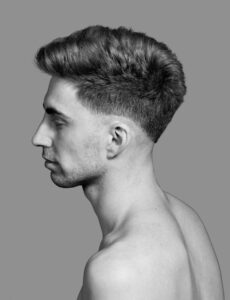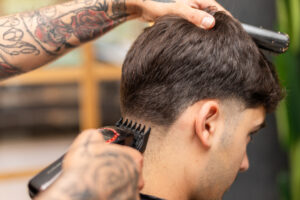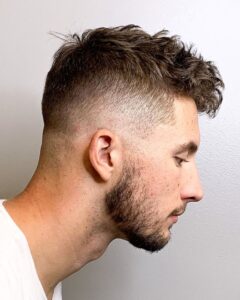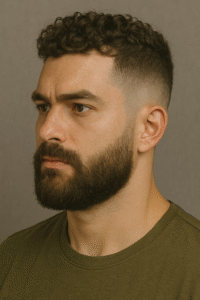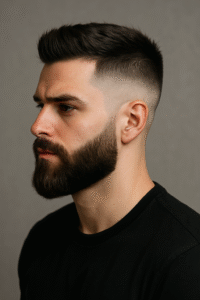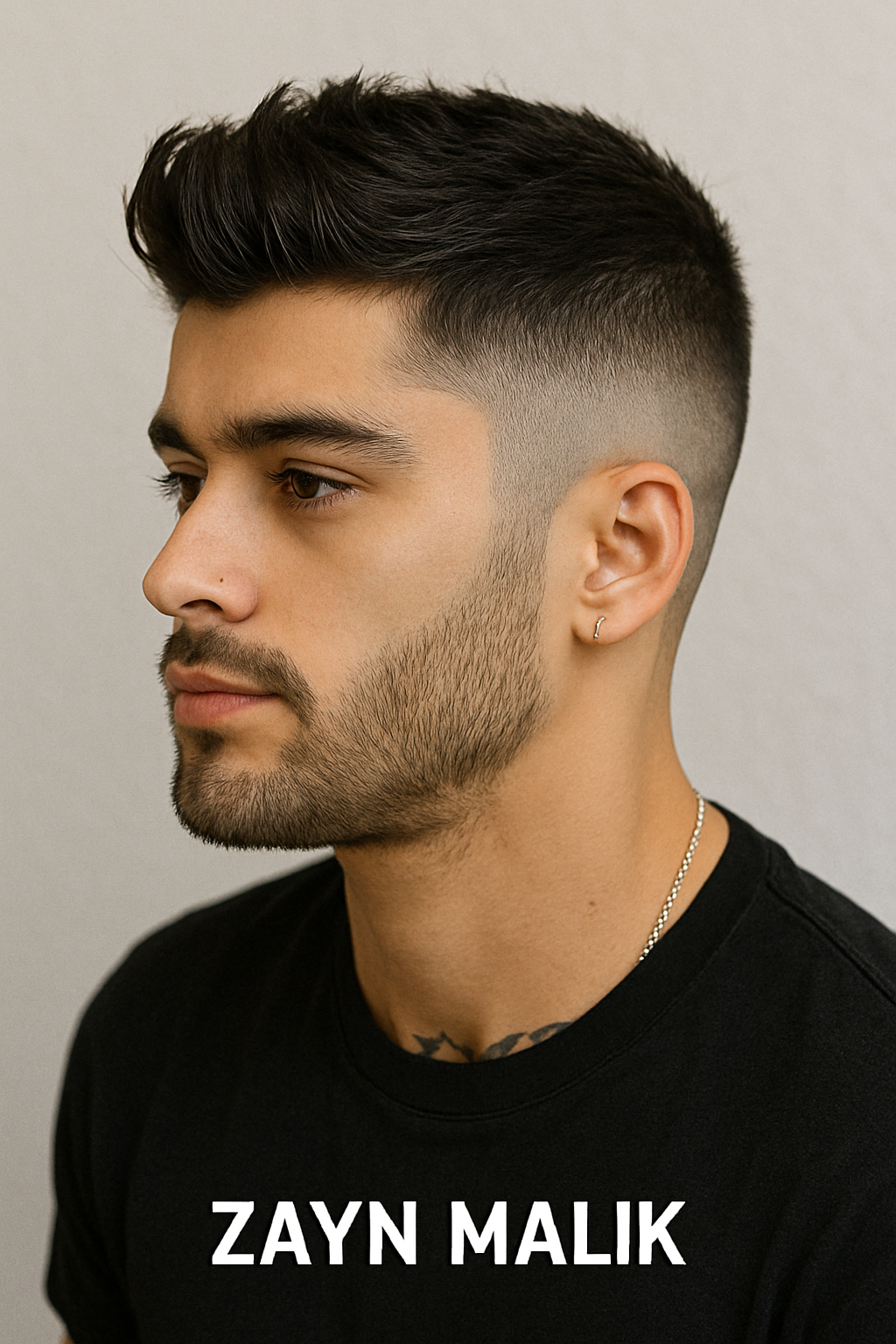
You walk into the barbershop, ready for a fresh look. The barber smiles and asks, “Would you like a low fade vs taper today?”
You freeze. Both sound familiar, but you’re not sure what they mean or which one will look better on you.
This is a common problem for many men. These two haircuts are often compared because they share similarities, but they are not the same. The main difference lies in how the hair blends:
- A low fade starts very close to the ears and neckline, blending down to the skin for a sharp, bold look.
- A taper blends gradually without fully exposing the skin, giving a subtle, natural appearance.
Your haircut does more than just shape your hair. It affects your style, confidence, and even the way others see you. Choosing the wrong style can leave you feeling awkward, while the right cut can make you look polished and put-together.
In this article, you’ll learn everything about these two popular cuts. You’ll understand how they differ, who they suit best, maintenance needs, and which one works for your lifestyle and face shape. By the end, you’ll know exactly what to ask your barber for — no hesitation, no confusion.
Understanding the Basics Low Fade vs Taper
Before you can choose, you need to understand what each style actually is. This will help you explain to your barber exactly what you want.
What is a Low Fade?
A low fade starts very close to the ears and neckline. The hair gradually shortens as it moves down the sides and back, blending into the skin. This creates a sharp contrast between the top and sides of the head.
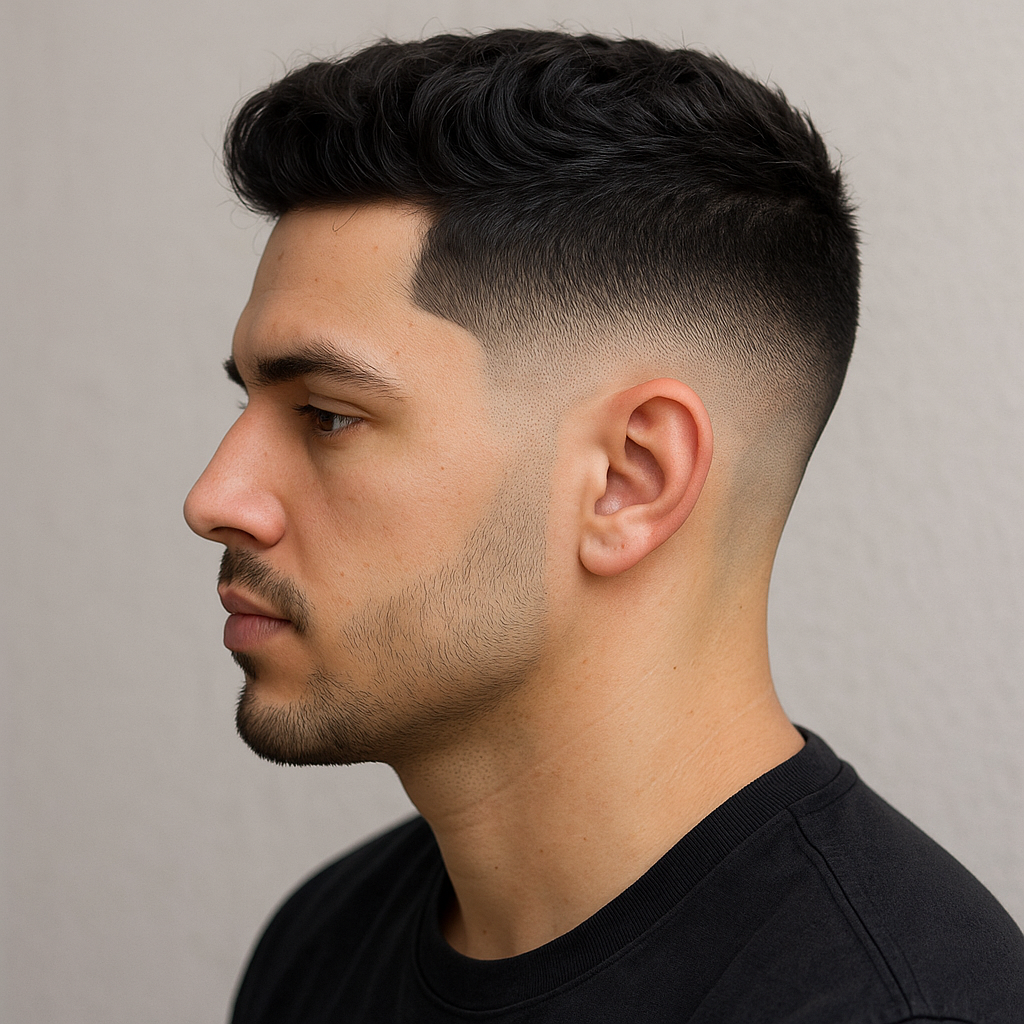
Low fades are especially popular among athletes, musicians, and men who want a bold, clean look. Basketball players like LeBron James and rappers like Drake often wear this style. It works best for men with thick or curly hair because it defines the head’s shape while keeping the sides neat.
A low fade is perfect if you want a haircut that makes a statement. However, it requires regular maintenance to keep the fade looking clean and sharp.
What is a Taper?
A taper is a gradual transition from longer hair on top to shorter hair near the neckline and sideburns. Unlike a fade, a taper does not go all the way down to the skin. The result is a softer, more natural blend.
This haircut is timeless and versatile. It’s perfect for professionals, students, or anyone who wants a neat style that isn’t too flashy. Actor Ryan Gosling often wears a taper, showing its classic, refined vibe.
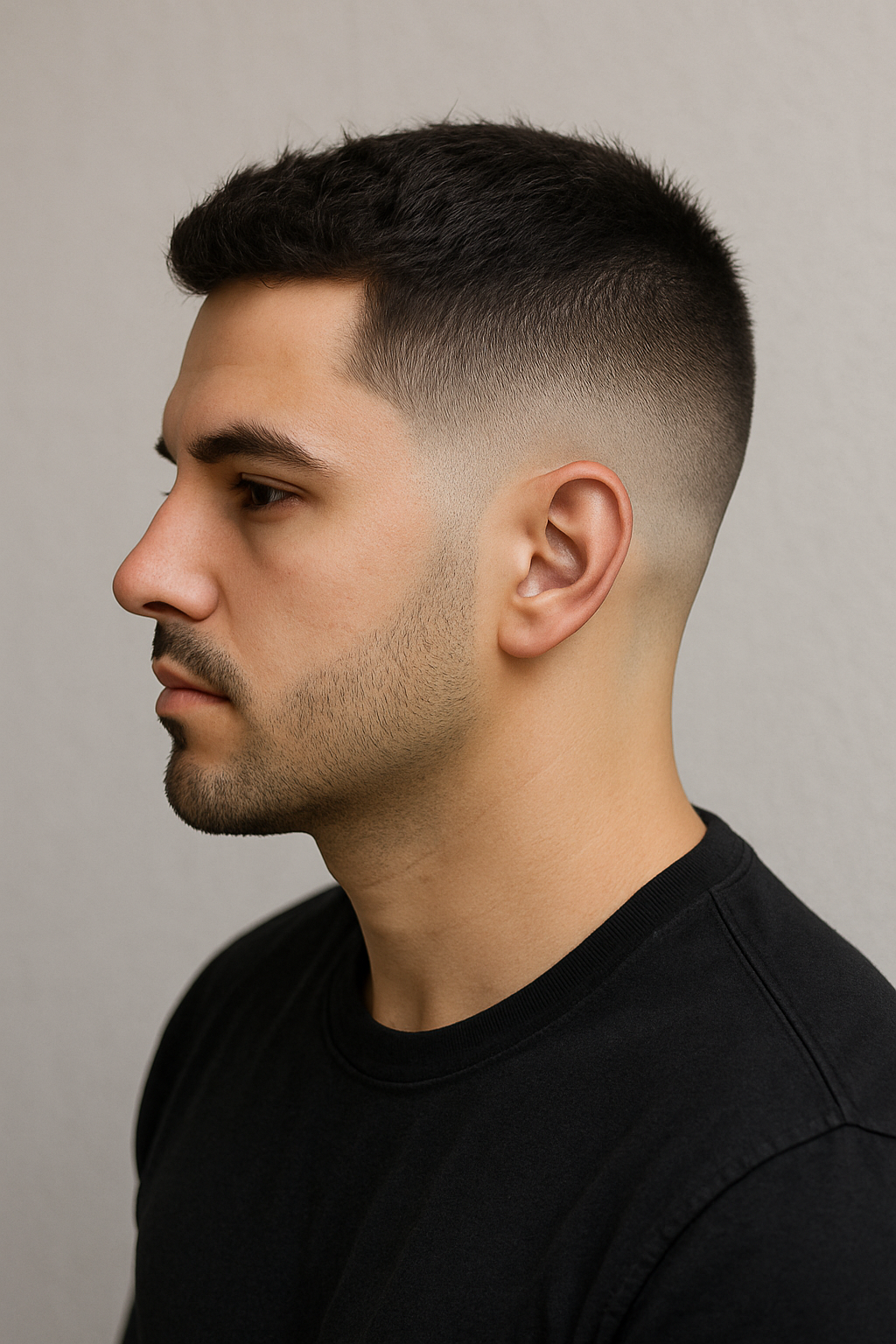
The taper is ideal if you want a low-maintenance haircut that grows out naturally between visits. It’s also great for men who work in conservative environments where dramatic hairstyles might not be appropriate.
Key Difference Between Low Fade vs Taper
| Feature | Low Fade | Taper |
| Blend Height | Starts very low, blends into the skin | Gradual blend, doesn’t reach skin |
| Look | Sharp, bold, noticeable | Subtle, classic, natural |
| Maintenance | Needs frequent touch-ups | Lasts longer between trims |
Quick summary:
A low fade is bold and modern, while a taper is subtle and timeless.
Types of Low Fade vs Taper
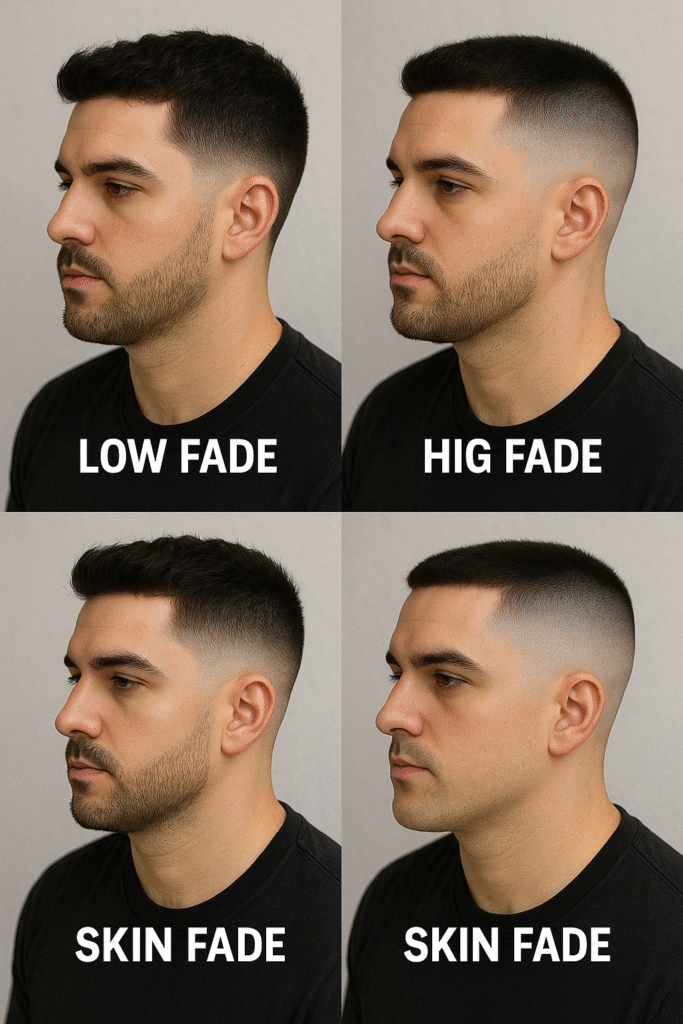
Types of Fades
- Low Fade: Blend starts near the ears and neckline.
- Mid Fade: Blend begins slightly higher, around the temple area.
- High Fade: Blend starts high on the head for maximum contrast.
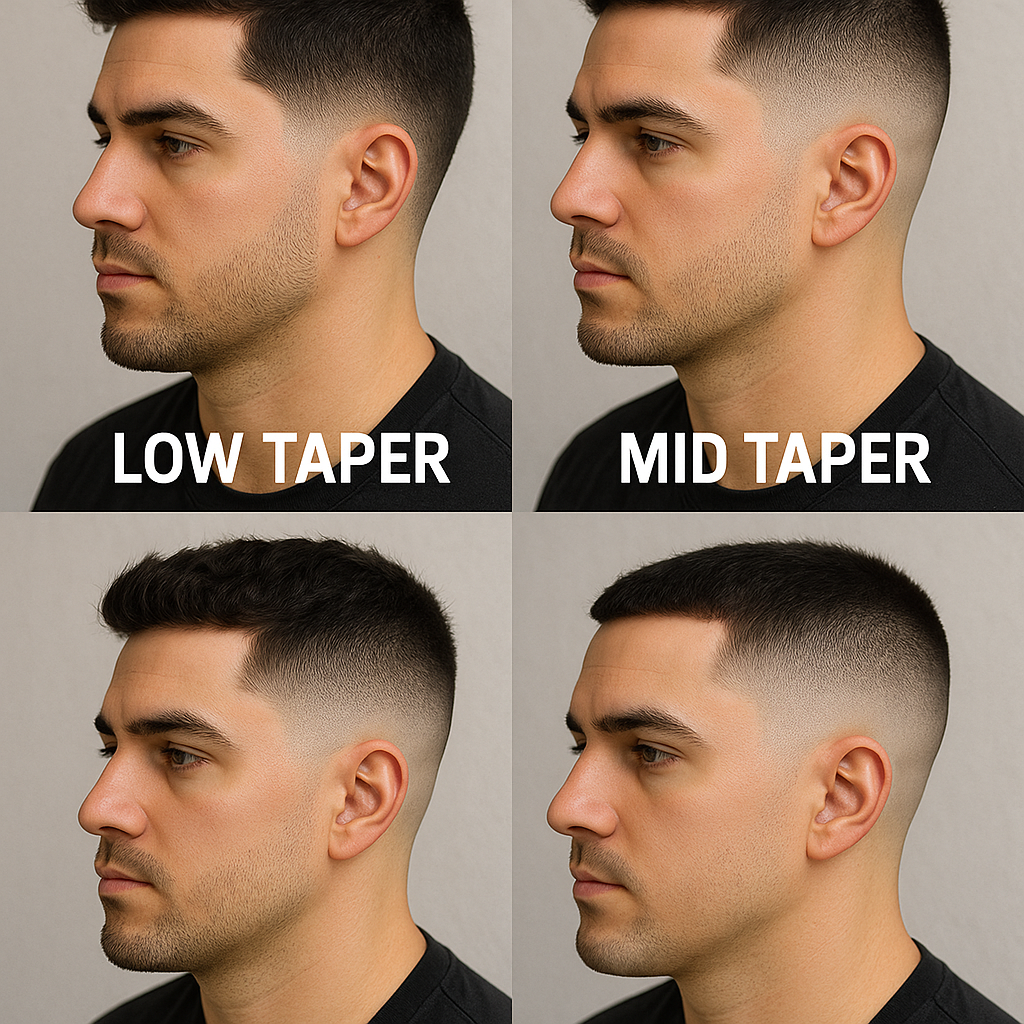
Types of Tapers
- Classic Taper: Smooth, gradual transition near the neckline and sideburns.
- Temple Taper: Focuses on blending only around the temples.
- Skin Taper: Slightly shorter taper, very clean near the edges without going fully bald.
Knowing these variations helps you customize your look.
Visual Appeal: Which Looks Better?
The way a haircut looks on you depends on face shape, hair type, and personal style.
Face Shape and Hair Type Guide
Choosing between a low fade vs taper is like picking the right pair of sunglasses — the fit matters as much as the style.
- Round Face:
- Low fade adds structure and sharpness.
- Makes the face look slimmer by adding height on top.
- Square Face:
- Taper softens sharp angles for balance.
- Gives a more natural, less severe appearance.
- Oval Face:
- Works with both cuts.
- Low fade for a trendy vibe, taper for a timeless look.
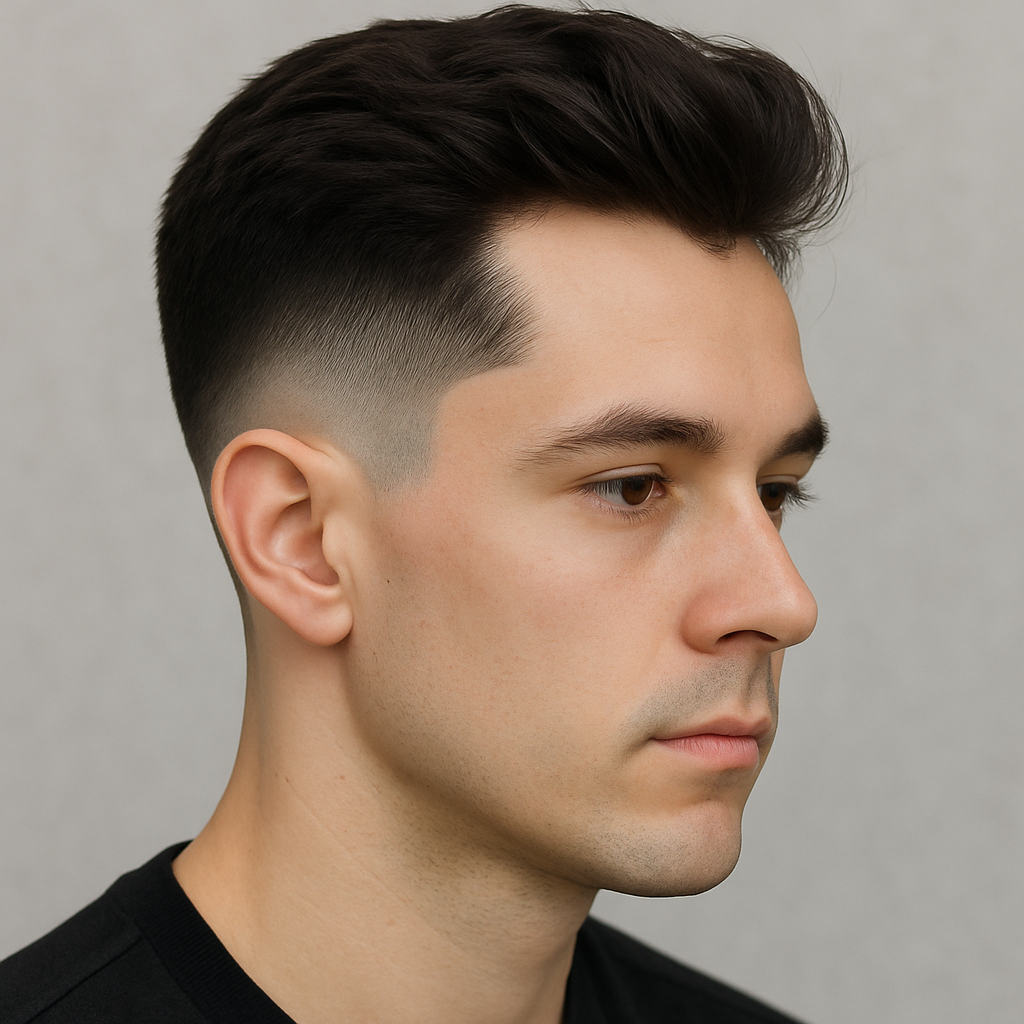
- Heart-Shaped Face:
- Taper blends smoothly, preventing the forehead from looking too wide.
Hair Texture Tips:
- Thick or Curly Hair: Low fade provides structure and keeps the sides tidy.
- Straight or Fine Hair: Taper gives a smoother, softer finish.
- Wavy Hair: Either cut works well depending on personal style.
Personality and Lifestyle Match
Your haircut should match your personality and daily life.
- Low Fade:
- Ideal for bold, outgoing individuals.
- Great for men who enjoy standing out.
- Example: A musician, athlete, or influencer who likes to make a statement.
- Taper:
- Perfect for professionals and minimalists.
- Ideal for men who prefer a style that grows out gracefully.
- Example: A lawyer, banker, or teacher who values a polished, professional look.
Hairline and Sideburn Considerations
- Low Fade: Creates sharp, defined edges around the sideburns and neckline.
- Taper: Keeps sideburns and neckline softer, blending naturally into facial hair.
Styling and Maintenance
Keeping your haircut sharp takes effort. Some styles require more time than others.
Daily Styling Needs
- Low Fade:
- Requires daily styling to keep the top looking neat.
- Use pomade, wax, or gel for structure.
- Best for men who don’t mind spending a few minutes every morning.
- Taper:
- Much lower maintenance.
- Can be air-dried or lightly styled with matte clay.
- Looks good even without heavy styling.
Maintenance Frequency
- Low Fade: Needs touch-ups every 2–3 weeks.
- Taper: Can last 4–6 weeks between trims.
Cost factor:
- Fades require more frequent visits, which can add up over time.
- Tapers are more budget-friendly due to fewer visits.
Products and Tools
- For Low Fades: Strong-hold pomade or gel for a defined look.
- For Tapers: Matte clay or light cream for a natural finish.
- Clippers are essential for fades, while scissors are more common for tapers.
Home Care Tips
- Wash your hair with a gentle shampoo 2–3 times per week.
- Use conditioner to keep hair soft and healthy.
- Trim stray hairs around the neckline between visits.
- Avoid overusing heat styling tools to prevent damage.
Low Fade vs Taper: Trends and Popularity
Current Style Trends
Low fades are especially popular among younger men, athletes, and those involved in streetwear culture. They’re bold and eye-catching, often associated with modern, trendy looks.
Tapers remain strong in business and professional settings. They’ve stood the test of time because they’re versatile and universally accepted.
Celebrity Examples:
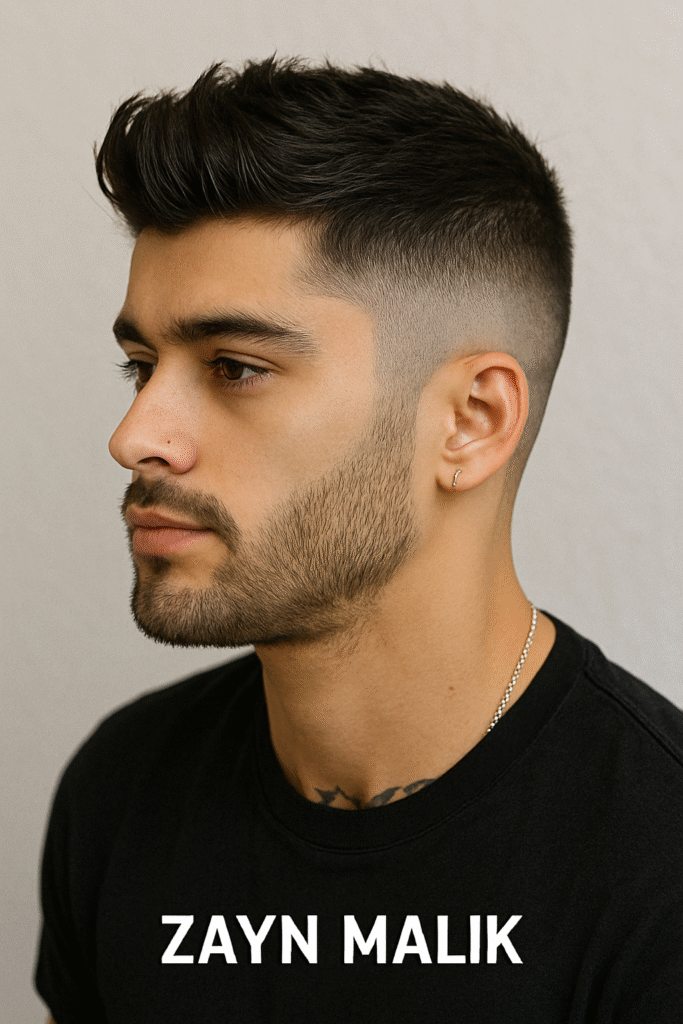
- Low Fade: LeBron James, Drake, Zayn Malik.
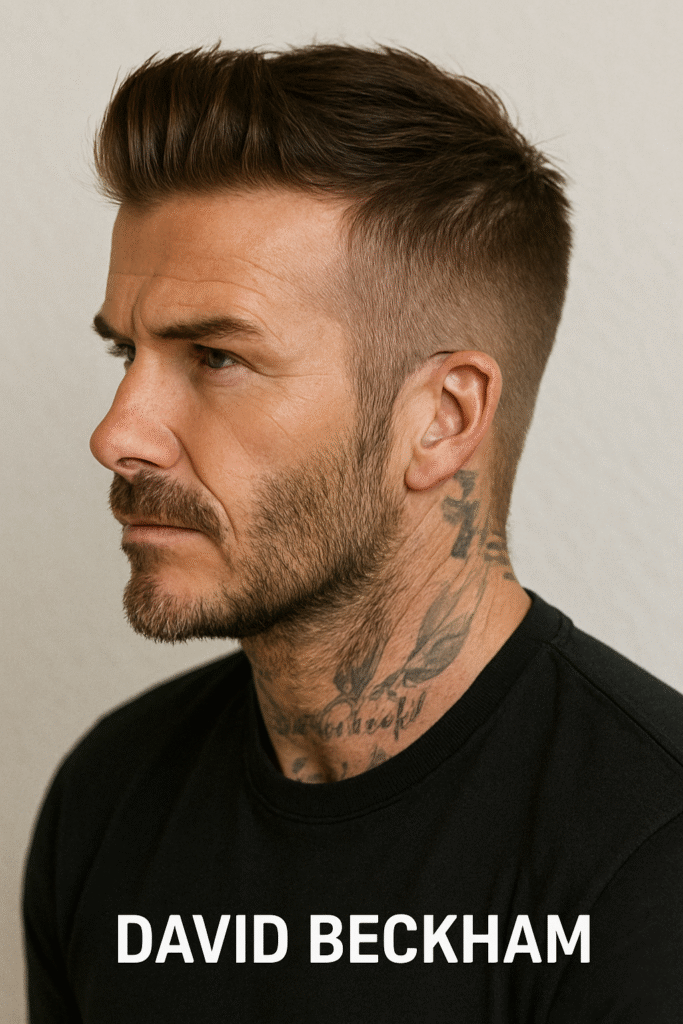
- Taper: Ryan Gosling, Chris Evans, David Beckham.
Age Group Preferences for Low Fade vs Tapers
- Teens and Young Adults: Prefer fades for their trendy, modern feel.
- Adults (30–40): Often go for tapers due to their balance of style and professionalism.
- Older Men: Lean toward tapers because of their subtle and natural appearance.
Cultural Influence
- Fades: Strongly tied to sports and hip-hop culture, symbolizing energy and boldness.
- Tapers: Rooted in classic barber traditions, symbolizing timeless elegance.
Decision-Making Guide: Which Cut Should You Choose?
Here’s a step-by-step guide to help you decide confidently.
Step 1: Consider Your Face Shape
- Round faces → Low fade for structure.
- Square faces → Taper to soften sharp lines.
- Oval faces → Either style works.
- Heart-shaped faces → Taper for balance.
Step 2: Match Your Lifestyle
- Busy, no time for styling → Taper.
- Love experimenting with looks → Low fade.
Step 3: Factor in Your Work Environment
- Conservative jobs (law, banking) → Taper.
- Creative jobs (music, design, sports) → Low fade.
Step 4: Talk to Your Barber
- Bring photo references.
- Explain exactly where you want the blend to start.
- Ask for recommendations based on your hair type.
Budget Considerations
- Low fade: More frequent trims = higher cost over time.
- Taper: Lasts longer between cuts, saving money.
Pros and Cons of Each Style
| Feature | Low Fade | Taper |
| Pros | Bold, trendy, modern look. Great for thick hair. | Natural, professional, easy to maintain. |
| Cons | Needs frequent upkeep. May not suit formal settings. | Less dramatic. Can feel too plain for some. |
Low Fade:
Perfect for making a strong impression but requires commitment to upkeep.
Taper:
Reliable and versatile, though less attention-grabbing.
Myths and Misconceptions
- Myth 1:Low Fade vs tapers are the same.
- Truth: Fades blend to the skin, while tapers stay subtle.
- Myth 2: Fades aren’t professional.
- Truth: Clean fades can look formal with the right styling.
- Myth 3: Fades are only for young men.
- Truth: Men of all ages can wear fades with confidence.
- Myth 4: Tapers are outdated.
- Truth: Tapers are timeless and always in style.
Common Mistakes to Avoid
- Picking a style without considering face shape.
- Neglecting regular trims for fades.
- Poor communication with the barber.
- Using incorrect hair products.
- Overwashing, which strips natural oils.
Barber Tips for Perfect Results
- Book appointments in advance to keep your haircut fresh.
- Ask about clipper guard numbers for fades.
- Schedule morning appointments for better attention to detail.
- Trust your barber’s advice when trying a new look.
Conclusion
Choosing between a low fade vs taper isn’t just about following trends — it’s about finding a style that matches you.
If you like bold, attention-grabbing looks and don’t mind regular trips to the barber, the low fade is your perfect match. It delivers sharp lines and a modern vibe that stands out wherever you go.
If you prefer a timeless, versatile style that grows out naturally and suits every setting — from the office to a night out — the taper is your best choice. It’s low-maintenance yet always professional.
Before your next haircut, think about your face shape, lifestyle, and work environment. Bring reference photos to your barber, talk openly about your preferences, and let their expertise guide you.
Your haircut is more than just hair — it’s a reflection of your personality. Choose wisely, and you’ll leave the barber’s chair looking sharp, confident, and ready to make a lasting impression.
FAQ
Q1: Which lasts longer, a low fade or taper?
A taper lasts longer between trims because the growth is less noticeable.
Q2: Can I mix a low fade with a taper?
Yes, some styles combine elements of both for a unique look.
Q3: Is a low fade appropriate for the workplace?
In most cases, yes — especially if kept clean and styled neatly.
Q4: How much do these haircuts cost?
Fades may cost slightly more due to precision work and frequent touch-ups.
Q5: Which cut works best with a beard?
Both work well. A low fade creates contrast, while a taper blends smoothly into facial hair.